

There was a time when launching a successful short-term rental was remarkably simple.
Buy a house. Order a furniture package online. Hang a few pieces of generic wall art. Take decent photos. Turn on your Airbnb listing. And just like that, you had a profitable vacation rental.
The industry was still young, guest expectations were relatively low, and simply offering a clean, well-furnished home was enough to stand out. Today? Not even close.
As someone who's been in the vacation rental industry for well over a decade, I've watched guest expectations evolve dramatically. Looking back, you can almost divide the industry into four distinct eras.
Phase One: The Furniture Package Era
In Airbnb's early years, functionality beat personality. Most rentals looked almost interchangeable. Beige sofas. Gray bedding. Mass-produced canvas prints from online retailers. A Keurig on the counter if you were feeling fancy.
Guests weren't expecting an experience—they simply wanted an affordable alternative to a hotel. The novelty was staying in someone else's home. Not the home itself. Back then, you didn't need a huge design budget. You just needed a clean, comfortable place that photographed reasonably well. Supply was limited, competition was low, and simply existing on Airbnb gave you an advantage.
Phase Two: Better Design Wins
As more properties entered the market, simply furnishing a house wasn't enough anymore. Owners started realizing that good design wasn't just about aesthetics—it was about return on investment. Professional photography became standard. Design blogs replaced furniture catalogs. Hosts began creating cohesive spaces instead of decorating room by room. Local artwork replaced generic prints. Vintage finds mixed with modern furnishings. Every detail became a little more intentional. People started talking about "creating a vibe." Suddenly, your property wasn't competing against hotels anymore. It was competing against thousands of beautifully designed homes. This was the era where thoughtful design became one of the highest ROI investments an owner could make.
Phase Three: The Instagram Arms Race
Then social media changed everything. Properties weren't just places to stay anymore—they became content. The goal shifted from memorable to unforgettable. Bright pink kitchens. Neon signs. Wallpaper on every wall. Murals. Disco balls. Cowboy pools. Mini golf. Pickleball courts. Shipping container saunas. Themed bedrooms. Vintage bathtubs overlooking the hills. Every property seemed to be asking the same question: "How do we get people to post this on Instagram?" And honestly? For a while, it worked.
The louder, bolder, and more over-the-top the experience, the more likely it was to go viral. Entire markets became filled with homes that felt less like vacation rentals and more like adult playgrounds. Don't get me wrong—I love a creative property. Some of these homes are incredibly fun, and there will always be a place for truly unique experiences. But somewhere along the way, it felt like many properties were designed for the 30 seconds someone spent taking a photo rather than the three nights they spent actually staying there.
Phase Four: Designed to Be Lived In
Lately, I've noticed something interesting. The pendulum is swinging back. Not toward boring. Toward intentional.
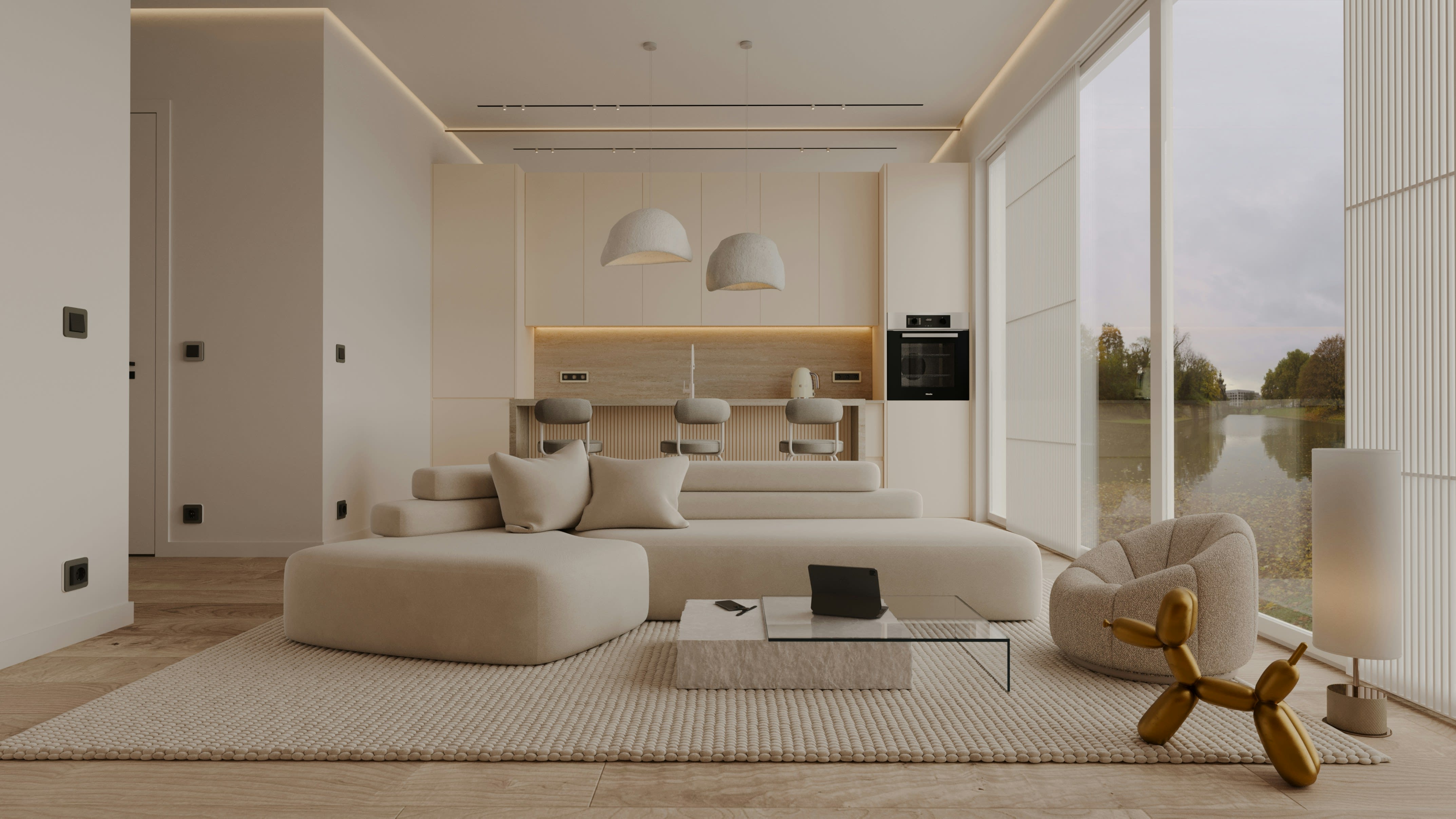
Today's best-performing properties still photograph beautifully, but they don't rely on gimmicks. Instead, they're creating environments that actually make people feel better.
- Natural materials
- Warm wood tones
- Stone
- Linen
- Oversized windows
- Indoor-outdoor living
- Native landscaping
- Chef's kitchens
- Outdoor showers
- Cold plunges
- Saunas
- Outdoor soaking tubs
- Thoughtfully designed gathering spaces
The emphasis is shifting from "Look at this place" to "I don't want to leave". Ironically, the homes generating the most excitement today often feel the least manufactured. They're the kinds of places you'd genuinely want to live—not just visit for a weekend.
Wellness Is Becoming the New Luxury
Travel itself has changed. People aren't just booking a place to sleep anymore. They're booking a place to reconnect, to unplug, to spend meaningful time with family, to slow down. Instead of asking, "Will this look good on Instagram?" Guests are increasingly asking, "How will I feel while I'm here?" Can I drink my coffee outside while listening to birds instead of traffic? Can I cook a great meal with my friends? Can I actually disconnect from work? Can I sleep well? Can I leave feeling better than when I arrived? The best properties are beginning to answer those questions through thoughtful design rather than flashy amenities. And I don't think that's a trend. I think it's where hospitality is headed.
Why This Matters for Investors
If you're designing a short-term rental today, I'd encourage you to think beyond the next booking. Think about the next buyer.
One of the biggest mistakes I see investors make is designing exclusively for today's trends. The problem is that trends have a shelf life. A neon sign that's driving bookings today can feel dated just a few years from now. A property built around a single viral moment often requires another expensive refresh once the next trend arrives. Timeless design works differently. Quality architecture, natural materials, thoughtful landscaping, and spaces that promote relaxation don't just attract guests—they hold their value. They photograph beautifully today, they'll photograph beautifully five years from now, and perhaps most importantly, they appeal to a much broader audience when it's time to sell. That's something many investors overlook.
Unlike hotels, most short-term rentals eventually return to the residential market. Your eventual buyer may be another STR investor, but they could just as easily be someone searching for their forever home, a second home, or a weekend retreat. A house that feels like a boutique wellness retreat appeals to all three. A house that feels like a miniature theme park... not so much.
The Future of STR Design
I'm not suggesting that amenities are going away. Guests still love a great hot tub, a beautiful pool, or a perfectly designed outdoor entertaining space. But I do think the amenities that will continue to win are the ones that genuinely improve how people feel—not just how their photos look.
We'll continue to see more saunas, cold plunges, outdoor showers, meditation gardens, fitness spaces, walking trails, chef's kitchens, oversized dining tables, and beautifully designed outdoor living areas. These aren't just Instagram moments—they're experiences guests actually enjoy throughout their stay.
As someone who has spent more than a decade helping people buy, operate, and sell short-term rentals, I think we're entering the most sophisticated phase our industry has seen. The properties that will outperform over the next decade won't necessarily be the loudest or the most expensive. They'll be the ones that make guests slow down, stay a little longer, and leave wishing they didn't have to go home.
Because in the end, the best short-term rentals don't feel like attractions. They feel like homes. Beautiful homes. The kind of place you'd happily move into tomorrow if someone handed you the keys. And if you've created a place someone would genuinely want to live—not just visit—you've probably built something that will stand the test of time, both as a hospitality business and as a real estate investment.