
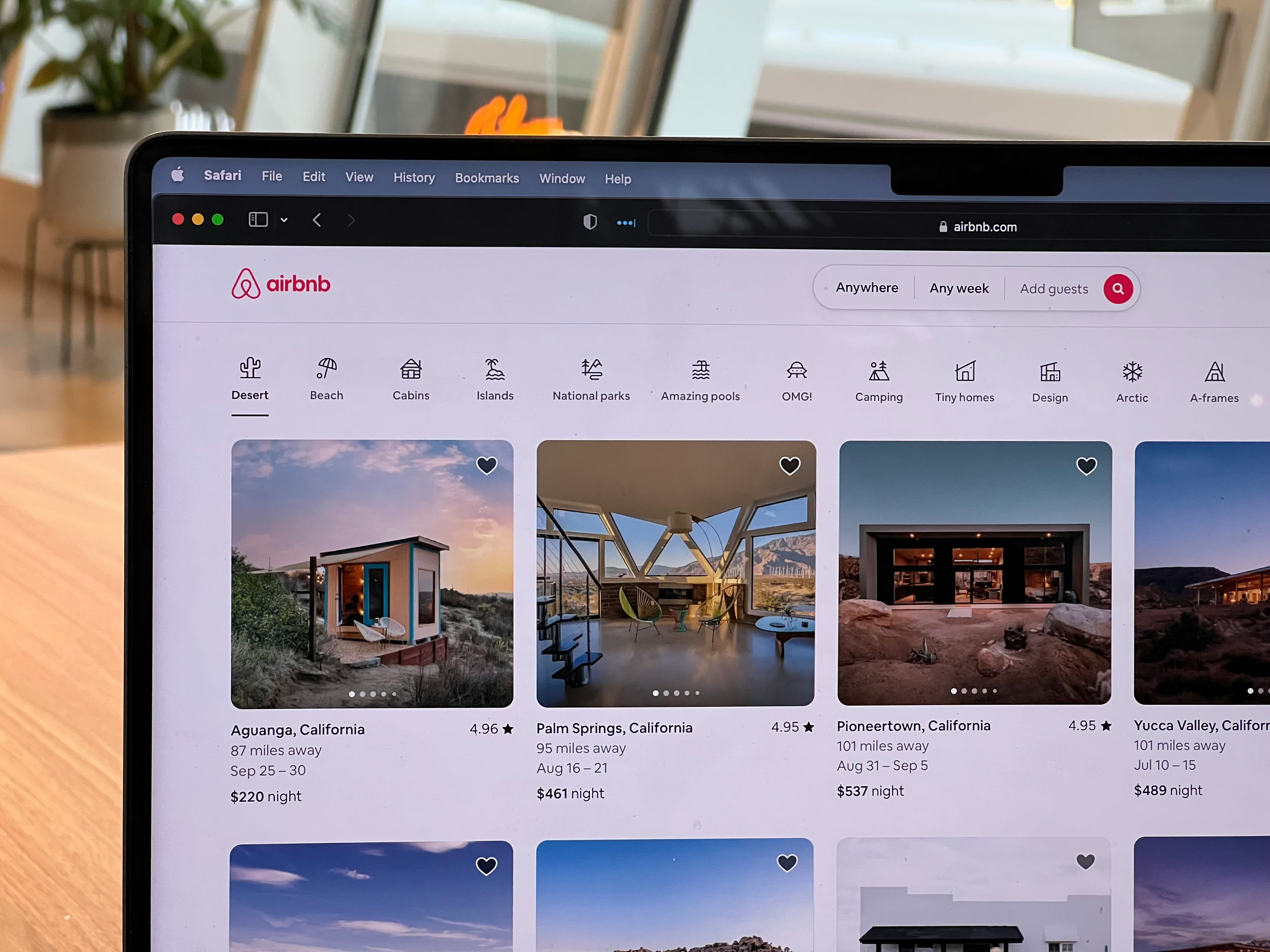

Airbnb is once again shaking up its fee structure, and this time the change is significant for hosts. For years, the platform relied on a split-fee model: guests paid a visible service fee of roughly 14–16% while hosts absorbed a modest 3% deduction from their payout. Beginning this fall, that model is going away. In its place, Airbnb will roll out a single “host-only” fee of 15.5%.
At first glance, the numbers can feel alarming. Going from 3% to 15.5% looks like an astronomical jump. But the reality is more nuanced—and how this impacts you depends on your market, your pricing strategy, and whether you’re using a property management system (PMS).
The Timeline: When the Change Hits
The rollout happens in phases. Starting August 25, 2025, new hosts using PMS software will only be able to opt into the host-only fee. By October 27, 2025, most PMS-connected hosts will be automatically transitioned, with non-PMS hosts following by December 1, 2025.
That means PMS users—often the largest and most professional operators—will feel the impact first. These hosts will need to revisit how their PMS markups are calculated, shifting from the old 3% structure to something closer to an 18% markup in order to keep payouts consistent.
How Hosts Are Interpreting the Change
Among hosts, reactions have ranged from calm acceptance to outright frustration.
Some see this as a math problem rather than a financial blow. Their view is that if you currently charge $100 per night, a guest sees $115 at checkout (once Airbnb’s service fee is added), and you walk away with $97 after your 3% host fee. Under the new system, you’d simply set your rate at $115, Airbnb would deduct 15.5%, and you’d still net almost the same payout. From this perspective, it’s largely an accounting shift—Airbnb is just moving the guest fee over to the host side of the ledger.
But others are less optimistic, especially in softer markets. In areas where supply outweighs demand or nightly rates are already depressed, raising prices by 12–15% to compensate isn’t always realistic. Competitors who don’t adjust could undercut you, leaving your listing sitting empty. For those hosts, this feels like Airbnb is reaching deeper into their pocket, squeezing margins in markets that can least afford it.
The truth is both sides have a point. The arithmetic checks out, but markets aren’t always that flexible. If you’re in a high-demand destination with limited supply, you may have no problem increasing rates to offset the higher fee. If you’re in a saturated city, you may need to get more creative.
Strategies for Navigating the Shift
The first step is to revisit your numbers. Don’t panic at the 15.5% headline—run actual scenarios. Adjust your nightly rate using the formula: old rate × 1.1479. That will roughly preserve your payout. For some hosts, even a smaller increase might work if you’re willing to accept slightly lower margins in exchange for staying competitive.
Next, take stock of your local market. Watch competitor pricing closely. If others raise their rates, you’ll have cover to do the same. If they don’t, you may need to consider smaller adjustments paired with other tactics, like optimizing minimum stays, tightening cleaning fees, or offering upsells and add-on services.
Communication is also key. If you manage on behalf of owners, explain clearly how this change works and why it requires action. Transparency helps soften the blow when payouts shift. And for guests, clear messaging about all-inclusive pricing—“what you see is what you pay”—can actually be a selling point. Many travelers dislike hidden fees, and Airbnb’s new structure eliminates some of that sticker shock at checkout.
Finally, use this as motivation to diversify your booking channels. Direct bookings and other OTAs can help you avoid over-reliance on Airbnb, especially as fees rise. More than ever, having a healthy mix of platforms—and ideally your own direct booking pipeline—protects your profitability.
Turning a Fee Increase Into an Opportunity
Airbnb’s move to a host-only service fee isn’t a death sentence for profitability, but it does require hosts to adapt. Some will view it as a straightforward math adjustment; others will feel the squeeze depending on their market conditions. Both views are valid.
What matters most is how you respond. Run the numbers, monitor your market, and adjust thoughtfully. If you approach this as a business owner rather than reacting emotionally, you can absorb the change and even turn it into an opportunity to refine your pricing strategy, strengthen your direct booking channels, and deliver more transparent value to your guests.
The bottom line? The sky isn’t falling—but the landscape is shifting, and the most resilient hosts will be the ones who move with it.